_edited.jpg)
Chetna Gala Sinha: Revolutionizing Rural Women's Financial Empowerment
- UnscriptedVani

- Apr 21
- 2 min read
In the arid landscapes of Maharashtra, where tradition often dictates women's roles, Chetna Gala Sinha has rewritten the rules of financial inclusion. As the founder of India's first bank run by and for rural women, Chetna Gala Sinha's journey from activist to financial revolutionary offers powerful lessons for today's changemakers.
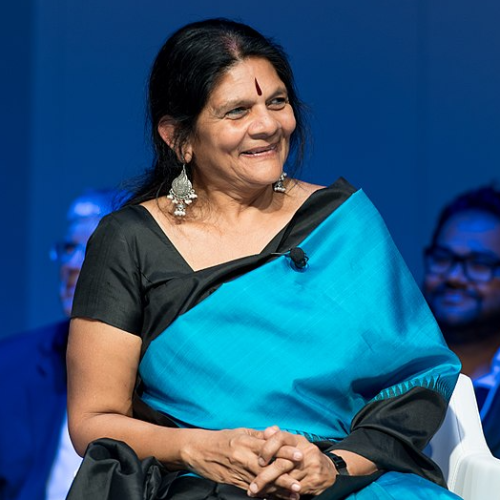
When a local blacksmith approached Chetna Gala Sinha hoping to open a basic savings account, she was turned away by traditional banks. This moment sparked Sinha's determination to create a financial institution that would recognize the economic potential of rural women – not as beneficiaries, but as capable economic agents.
"These women weren't looking for charity," Sinha often explains. "They were seeking dignity and opportunity."
In 1997, after initially facing rejection from the Reserve Bank of India, Chetna Gala Sinha successfully established the Mann Deshi Mahila Bank. What makes her approach revolutionary isn't just providing loans, but creating an entire ecosystem for entrepreneurial success.
The bank offers microfinance solutions tailored to women's unique needs – from daily savings collections to flexible repayment schedules that accommodate seasonal income fluctuations. Alongside this financial foundation, her Mann Deshi Foundation provides essential business skills training, market connections, and digital literacy programs.
Today, Chetna Gala Sinha's work has empowered over 400,000 women entrepreneurs across India. Her innovative approach to financial inclusion has been recognized at the World Economic Forum and through prestigious awards, establishing her as a leading voice in women's economic empowerment.
What makes Sinha's story particularly relevant today is how she demonstrates that sustainable development requires putting financial tools directly into women's hands. By trusting rural women as decision-makers rather than simply aid recipients, she's created a model where financial inclusion becomes a pathway to broader social transformation.
For aspiring social entrepreneurs, Chetna Gala Sinha's journey reminds us that sometimes the most powerful innovations come from simply asking: "Who's being left out, and how can we redesign systems to include them?"


Comments