_edited.jpg)
Mamaearth's Viral Backlash That Turned into a Growth Opportunity
- UnscriptedVani

- Aug 1, 2025
- 3 min read
The label Mamaearth, which became famous all over India in the skincare and personal care segment, was recently engulfed in a major social media storm. From a few innocent tweets about its marketing strategies going heavy on influencers, perhaps a few scathing posts developed into a full-blown one-week tsunami of backlash. Additional allegations included accusations of pricing products higher than their value, exaggerated claims, and doubts regarding the authenticity of its "natural" branding. For any brand, such public scrutiny can spell doom; but in the case of Mamaearth, it was almost like the other way around.
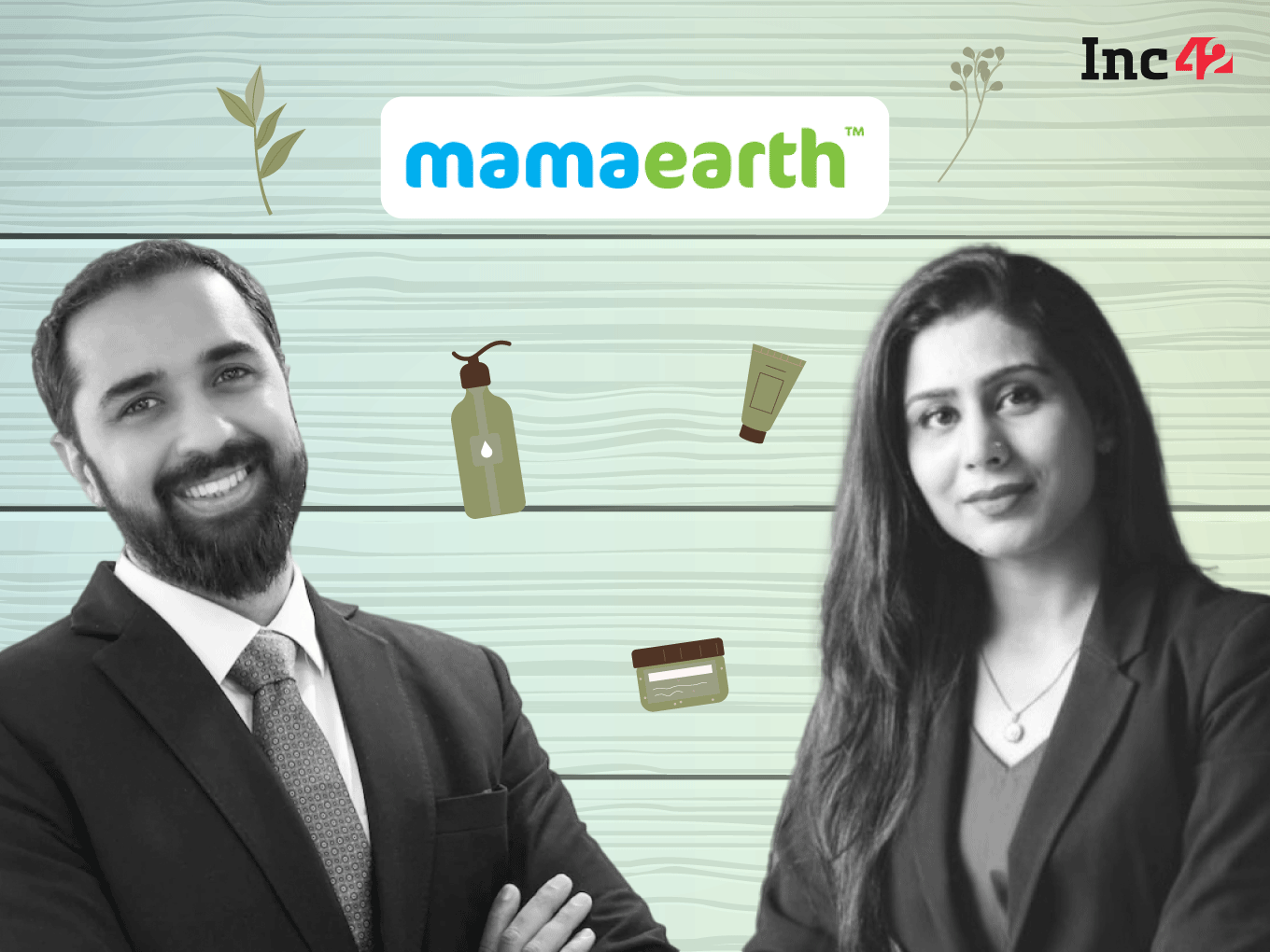
Mamaearth did not really go to dismiss the vitriolic criticism or engage in content-aggressive counter-narratives. The possible other approach, followed by a majority of legacy brands, is transparency and active listening. The backlash-now seen as an uncomfortable laying bare, was this organism holding a mirror to itself, raw, unfiltered audience feedback that were new-age, educated, out-loud, and unashamed enough to hold brands accountable for their actions. The company acknowledged the noise, absorbed the insights, and undertook the task of clarifying its ingredients, pricing strategy, and brand philosophy.
Mamaearth's actual victory was not just to survive the viral wave of negativity but to turn it into a springboard for brand evolution. A real opportunity came for the brand to deepen connection with its community, for Mamaearth now strengthened its digital presence via better storytelling, but more importantly, doubled down on product development on actual customer expectations, rather than just trend-based decision-making. Their communication became more transparent, educational, and less gimmicky---a matured voice that resonated with loyalists and skeptics alike.
This incident also brought forth wider industry discussions about influencer marketing fatigue, including the trust deficit that exists between brands and consumers. For Mamaearth, this shift in moment where now influence collaborations were highly sought after for visibility gave way for a much-deserved reflection back to the product, the core. The team shifted gears to focus on amplifying authentic reviews, clinical data, and ingredient lists written in layman's language.
In an interesting turn of events, the backlash was concurrent with Mamaearth's escalation of ambitions especially being a public company under the aegis of Honasa Consumer. The brand, however, took the exit right into the storm. What the brand lost in public esteem, it gained in curiosity and respect from the greater consumer set, who now admired a brand that shows willingness to grow through criticism. Obviously, this was a deliberate shift fueled by Mamaearth's insistence to see this backlash not as a threat, but a business opportunity.
Mamaearth, a brand capable of weathering the storm of digital criticism, is resilient and rare. In fast-moving, cancel-ready cultures, a lot of brands fear controversy; however, Mamaearth's journey indicates how listening to consumers, evolving, and aligning one's action with core values may turn epidemically sliding dogs' barking into breakthroughs around PR. Mamaearth didn't patch up the image-it recalibrated the voice to resonate with an audience matured enough to respect authenticity more than superficiality.
Mamaearth's viral Backlash was, in the end, a sort of awakening: The chance to refine its identity and reconnect with its roots. Growth doesn't always come clothed in commendation; sometimes it arrives disguised as criticism. Mamaearth asserted that reality, and in so doing, grew back wealthier, cleaver, and much more relatable than ever.


Comments