_edited.jpg)
Patanjali’s Playbook: Still Winning in India’s FMCG War
- UnscriptedVani

- Aug 14, 2025
- 2 min read
Till date, Patanjali-the Indian FMCG giant founded by Baba Ramdev and Acharya Balkrishna-is standing in the country's highly competitive market. In the course of years, the brand has been transformed from a niche Ayurvedic products maker to a must-have ingredient household name with about one-fifth of its sales in personal care, foods, and healthcare. While facing strong competition from other multinationals, including Hindustan Unilever, Nestlé, and ITC, Patanjali has stayed relevant and resilient by blending traditions with innovations.
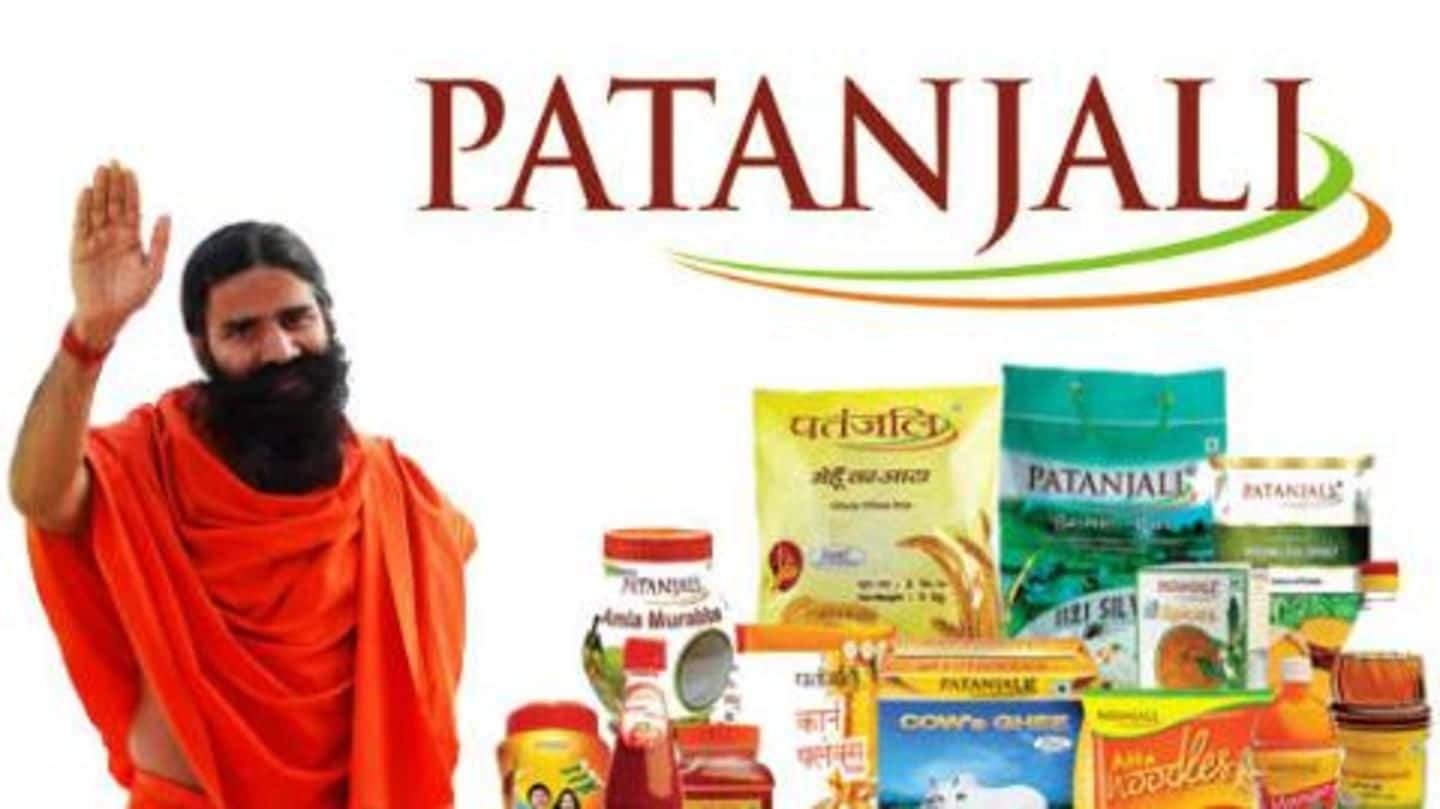
One of the strong points of Patanjali's continued success has been the brand positioning around natural, Ayurvedic, and "Made in India" products. These days, when all consumers want healthy and natural alternatives, Patanjali is coming up with products, be it herbal toothpaste, immunity-boosting chyawanprash, or organic staples. Trust-which is pretty deep rooted within the consumers due to Baba Ramdev's public personality and mass connect-is still a unique asset cum differentiator.
Marketing has played a very important role here. It employs the full-fledged combination of mass media plus retail visibility. And coupled with a brilliant distribution network ranging from metro cities down to the cossetted villages, every corner seems pretty much covered. However, there is one pipeline that the products can travel through, and that's through Patanjali-exclusive stores, supermarkets, local kirana shops, and online marketplaces. This assures the maximum reach. However, another factor which strengthens its position is the strategic pricing, which makes Ayurvedic and health-focused products affordable for the masses.
Competition is heating up in the FMCG space, but even then, Patanjali's agility in adapting to the market is seen as a big plus. It has made entry into new categories, purchased Ruchi Soya (now retagged as Patanjali Foods), and even invested in the supply chain. Keeping growth aligned with changing consumer behavior-given that health consciousness and sustainable living will keep trending up-have kept Patanjali going.
In an industry where fortunes in terms of market leadership can change practically overnight, Patanjali's story is a case study in what happens when cultural resonance meets hard-nosed business strategy.
It's not just going to sell products; it's going to sell a lifestyle, which has roots in India's traditions, that is developing alongside modern demands.


Comments