_edited.jpg)
Vim: The Dishwashing Disruptor That Cleaned Up Markets Worldwide
- UnscriptedVani

- Apr 20, 2025
- 2 min read
In the world of business disruption, we often think of tech giants and innovative startups—rarely do we consider a humble dishwashing product. Yet Vim's remarkable journey from Victorian-era scouring powder to billion-dollar global brand offers entrepreneurial wisdom that's surprisingly relevant today.
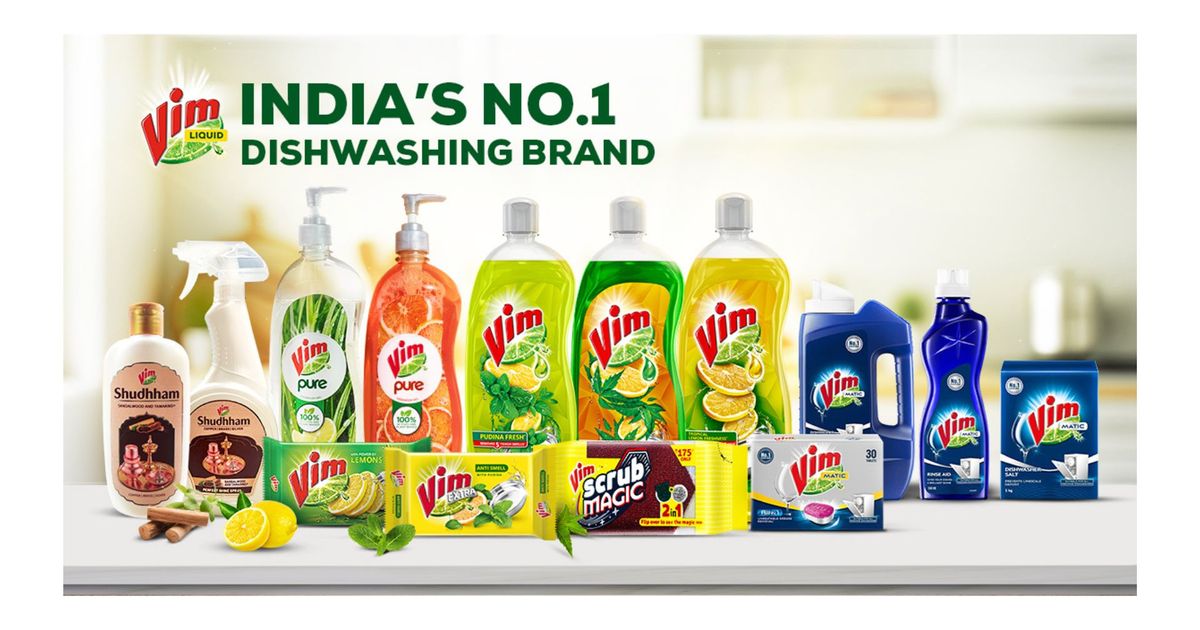
Vim's greatest strength? Cultural adaptability. When entering India, Unilever didn't simply import Western formulations. They studied local dishwashing habits—the oil-heavy cuisine, hand-washing practices, and economic considerations—and created something revolutionary: the Vim bar, designed specifically for Indian households.
This wasn't just product development; it was behavioral design. Vim transformed itself to match existing consumer habits rather than forcing consumers to adapt to the product. For startups, this exemplifies the power of deep market understanding over technological superiority.
What's particularly fascinating about Vim is its dual-market strategy. While continuing to serve price-sensitive consumers with the affordable bar format, they introduced premium liquid variants for emerging middle-class households. This allowed Vim to maintain an impressive 65% market share across diverse economic segments.
Beyond formulation, Vim's marketing evolved to address the social context of dishwashing. Early campaigns focused on making women's work easier, while later messaging subtly challenged gender norms around household responsibilities. The brand recognized that they weren't just selling cleaning power—they were engaging with evolving social dynamics.
For entrepreneurs today, Vim's journey demonstrates that innovation isn't always about technological breakthroughs. Sometimes, it's about deeply understanding cultural contexts, adapting formats to meet specific needs, and recognizing the social implications of your product.
As your startup navigates its growth journey, consider: are you adapting to your customers' reality, or expecting them to adapt to yours? The answer might determine whether you'll clean up the market like Vim or get washed away.


Comments