_edited.jpg)
How Santosh Parulekar Is Building India's Rural Workforce, One Skill at a Time
- UnscriptedVani

- Jul 2
- 2 min read
In a country where millions of young people migrate from villages to cities chasing jobs, Santosh Parulekar flipped the script. Instead of urging rural youth to leave their homes, he brought opportunity to them—training, skilling, and employment, all bundled into one bold social enterprise: Pipal Tree.
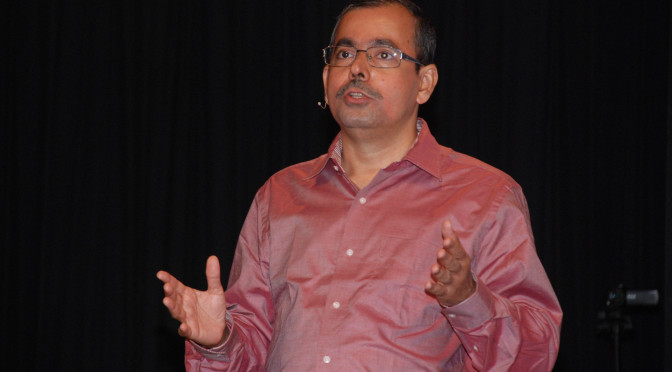
Parulekar's journey didn’t start in a boardroom—it began in banking. But somewhere along the way, the numbers stopped adding up emotionally. He realized that while urban India was racing ahead, rural India was being left behind—not for lack of talent, but lack of access. That’s when he decided to create a platform that would bridge this stark divide.
Pipal Tree isn’t just a training institute; it's a movement. Focused on vocational training in construction, electrical work, plumbing, and more, it empowers rural youth with real, job-ready skills. Since its inception, the organization has trained over 40,000 young individuals, many of whom now earn steady incomes—some even becoming micro-entrepreneurs themselves.
But here's what makes Santosh Parulekar stand out. His model is deeply integrated with industry needs. Rather than churning out generic workers, Pipal Tree collaborates with companies to understand what kind of skills are actually in demand. This demand-driven approach ensures that trainees don’t just learn—they get hired.
Another fascinating insight? Parulekar’s work is redefining how we see blue-collar jobs. In a society that often prioritizes white-collar professions, his initiative elevates the dignity of labor. He’s showing India’s youth that there’s pride and purpose in building the nation—literally.
From a financial services professional to a changemaker in India’s skilling ecosystem, Santosh Parulekar embodies the spirit of social entrepreneurship. His journey is a powerful reminder that creating impact doesn't always mean disruption—it can also mean inclusion.
For young entrepreneurs and professionals, there's a powerful lesson here: the next big innovation might not be in the next unicorn startup, but in solving India’s most basic, often overlooked, challenges. Like Santosh Parulekar, look for the gaps—and fill them with purpose.


Comments