_edited.jpg)
Kailash Satyarthi: The Man Who Stood Between Children and Chains
- UnscriptedVani

- Jun 1, 2025
- 2 min read
What if your biggest competitor wasn't another startup, but an entire system built on exploitation? Meet Kailash Satyarthi—the man who turned down a comfortable engineering career to become the ultimate social entrepreneur, proving that some battles are worth fighting regardless of the odds.
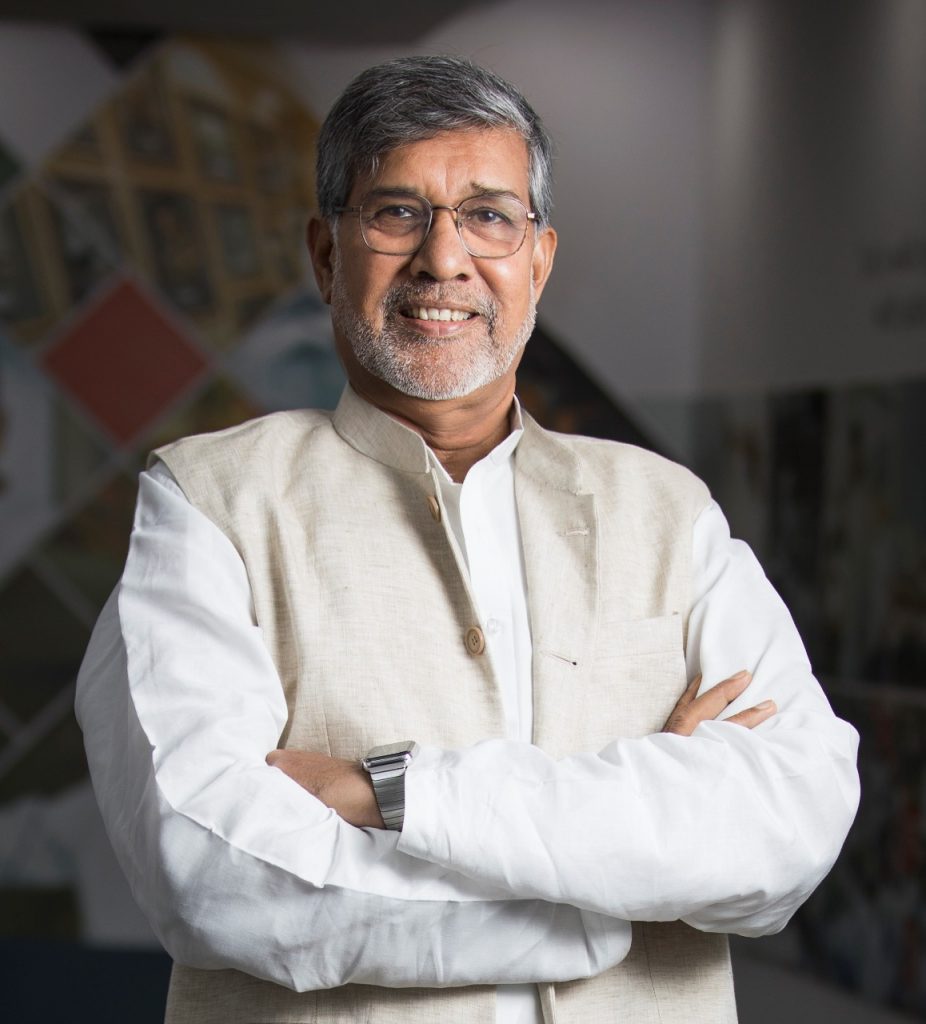
Born in 1954 in Vidisha, Madhya Pradesh, Kailash Satyarthi had every reason to follow the traditional path. Engineering degree in hand, stable career ahead—the Indian dream, perfectly packaged. But when he witnessed children his age working in factories while he attended school, something shifted. He asked the question that would define his life: "Why are children working when they should be learning?"
This wasn't just moral outrage—it was the beginning of what would become one of India's most impactful social movements. Through his organization, Bachpan Bachao Andolan, Satyarthi has rescued over 90,000 children from the clutches of child labor, often risking his own life in dangerous raids across factories, mines, and trafficking rings.
In 2014, when Kailash Satyarthi received the Nobel Peace Prize alongside Malala Yousafzai, it wasn't just personal recognition—it was the world finally acknowledging child labor as a critical human rights issue. His acceptance speech became a rallying cry: "Every child matters." For young changemakers watching, it was proof that grassroots activism could achieve global impact.
But here's what makes Satyarthi's approach unique: he didn't just rescue children—he built systems for lasting change. His advocacy led to stronger laws, better education policies, and corporate accountability in supply chains. His 100 Million Campaign mobilized youth across continents, creating a network of young activists fighting for children's rights.
For entrepreneurs obsessed with scaling and unicorn valuations, Kailash Satyarthi offers a different success metric: human impact. His journey teaches us that the most sustainable ventures aren't always the most profitable—they're the ones that solve problems others ignore.
Satyarthi's model demonstrates that social entrepreneurship isn't about finding a gap in the market—it's about finding a gap in justice and filling it with relentless compassion. He proved that you don't need venture capital to create change; you need courage, conviction, and an unwavering belief in human dignity.
His story reminds every aspiring social entrepreneur that sometimes the most meaningful disruption happens not in boardrooms, but in the lives of those who need it most.
You don't have to wear a cape to be a hero—sometimes, all it takes is holding a child's hand and refusing to let go.


Comments