_edited.jpg)
Redefining Waste: Goonj’s Journey from Cities to Villages
- UnscriptedVani

- Apr 19, 2025
- 2 min read
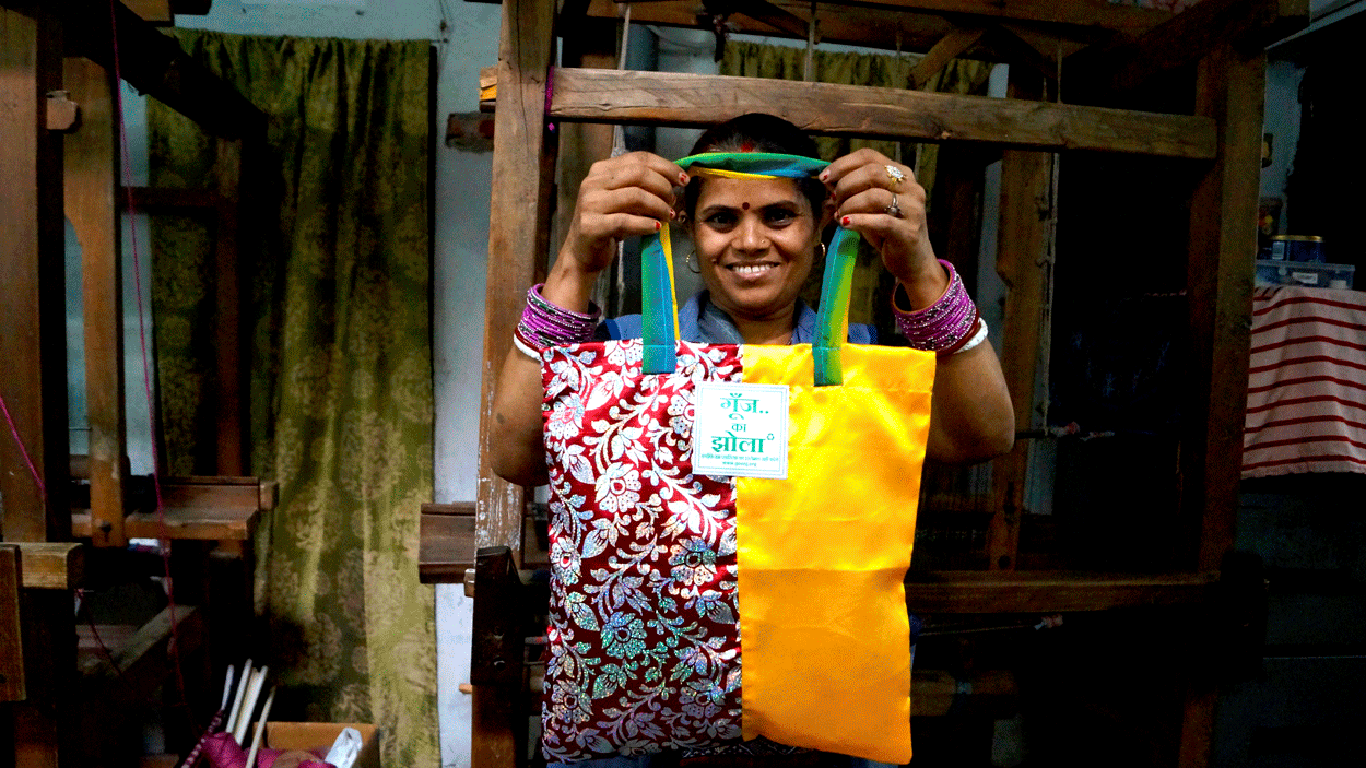
Founded in 1999, Goonj operates on a deceptively simple premise: urban India's "waste" can become a resource for rural development when exchanged for community work rather than given as charity. This model has grown from a small Delhi initiative into a movement spanning 27 states, impacting over 4 million lives across India.
What sets Goonj apart from traditional non-profits is its radical reframing of giving. Through its flagship "Cloth for Work" program, Goonj doesn't just distribute donated items—it uses them as payment for community-identified infrastructure projects. Villages might repair roads, build check dams, or revive water bodies, receiving carefully processed dignity kits in return.
Perhaps the most fascinating aspect of Goonj's approach is how it addresses multiple problems simultaneously. The model tackles material waste, creates rural infrastructure, preserves recipient dignity, and forces donors to reconsider their consumption patterns—all through a single intervention. Their "Not Just a Piece of Cloth" initiative further demonstrates this integrated thinking by transforming cloth waste into affordable sanitary pads while breaking taboos around menstrual health.
Behind Goonj's success lies a profound insight about human dignity. As Ramon Magsaysay awardee Anshu Gupta often says, "We are not giving, we are returning"—acknowledging that the imbalance between urban abundance and rural scarcity represents a systemic failure rather than an opportunity for charity.
For young entrepreneurs and change-makers, Goonj offers a powerful blueprint for innovation: sometimes the most transformative solutions don't require new technologies or massive funding, but rather reimagining the value and purpose of resources already abundant around us. In a world increasingly concerned with both sustainability and social equity, Goonj demonstrates that with the right model, even discarded clothing can become a currency for dignity and development.


Comments