_edited.jpg)
Sydney Sweeney's Bathwater Soap Sold Out in Hours and What This Says About Modern Celebrity Marketing
- UnscriptedVani

- Jun 6, 2025
- 2 min read
You're scrolling through social media when you see Sydney Sweeney lounging in a bubble bath, casually announcing she's selling soap infused with her actual bathwater. Your first thought? "This can't be real." Your second? "Wait, it's already sold out?"
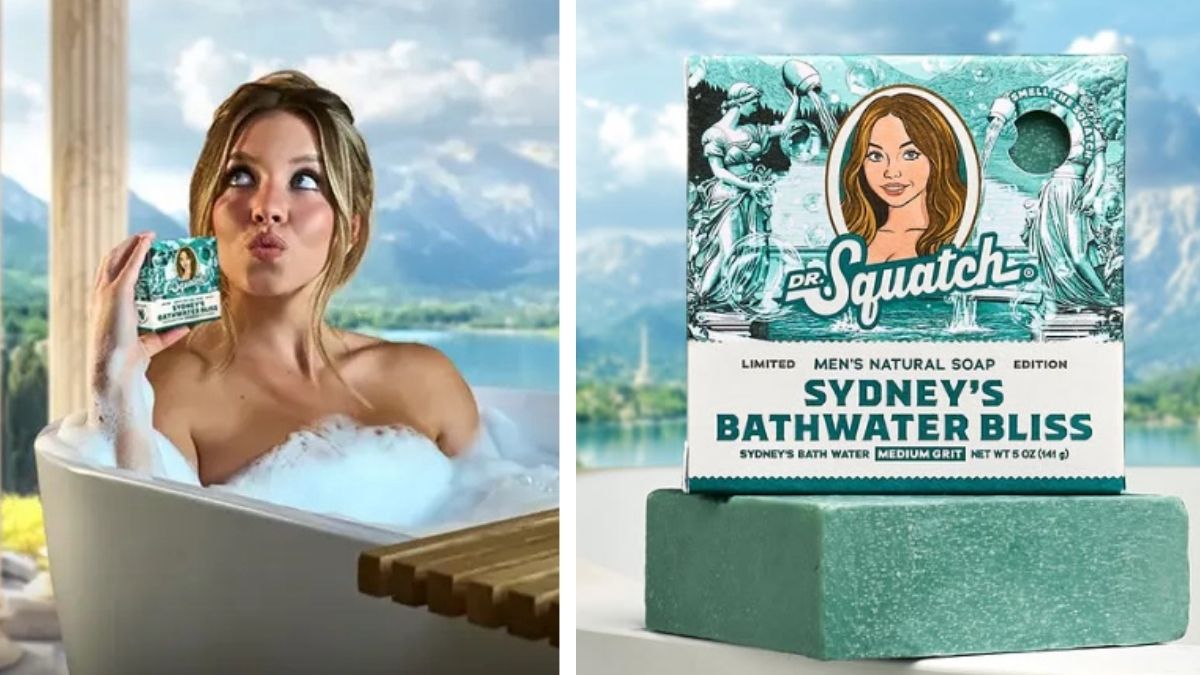
Welcome to 2025, where celebrity marketing has officially jumped the shark—or should we say, jumped the bathtub.
Sydney Sweeney's partnership with Dr. Squatch to create "Sydney's Bathwater Bliss" isn't just a publicity stunt—it's a masterclass in modern brand strategy. All 5,000 bars, priced at $8 each with the cheeky fragrance name "Morning Wood," disappeared faster than you could say "parasocial relationship."
But here's the kicker: this bathwater economy isn't new. Back in 2019, internet personality Belle Delphine made headlines selling jars of her "Gamer Girl Bath Water" for $30 each. The first batch sold out almost immediately, proving that consumers are willing to pay premium prices for what they perceive as authentic celebrity connection.
What drives someone to buy celebrity bathwater? It's not really about the soap—it's about ownership of intimacy. In an age where social media creates the illusion of personal relationships with celebrities, products like Sweeney's bathwater soap offer fans a tangible piece of that connection.
This trend extends beyond bathwater into increasingly personal territory. Gwyneth Paltrow's "This Smells Like My Vagina" candle sold out in 2020, while Lil Nas X's blood-infused "Satan Shoes" created such controversy that Nike filed a lawsuit. Even Tony Hawk released blood-infused skateboards, though with considerably less fanfare.
For entrepreneurs and business students, there's a crucial lesson here: viral marketing isn't about playing it safe—it's about creating moments that make people stop scrolling. Sweeney's bathwater soap generated millions of dollars in earned media coverage, probably worth far more than the $40,000 in direct sales.
The strategy works because it taps into three powerful psychological drivers: scarcity (limited edition), intimacy (personal connection), and social currency (something worth talking about). It's the same principle that makes Supreme drops successful or creates waiting lists for exclusive products.
As we move deeper into the creator economy, expect more brands to blur the lines between product and personality. The bathwater phenomenon represents a shift from mass marketing to micro-fandom, where smaller, more devoted audiences are willing to pay premium prices for authentic experiences.
For young professionals entering the marketing world, the lesson is clear: authenticity sells, but so does audacity. The brands that will dominate tomorrow aren't afraid to make people say, "Wait, what?"
Whether you find celebrity bathwater soap genius or gross, one thing's certain—it got everyone talking. And in today's attention economy, that might just be the most valuable currency of all.


Comments