_edited.jpg)
Trump Urges Coca-Cola to Ditch Corn Syrup for Cane Sugar, Stirring the U.S. Beverage Market
- UnscriptedVani

- Jul 17, 2025
- 2 min read
In your imagination, just before breaking open an ice-cold Coke, you notice that the taste is just a little different-crisp, smoother, and somehow nostalgic. That is because, in what might prove to be an almost explosive public announcement, former President Donald Trump seems to have let the cat out of the bag that Coca-Cola will soon ditch high-fructose corn syrup for real cane sugar in the local U.S. formula.
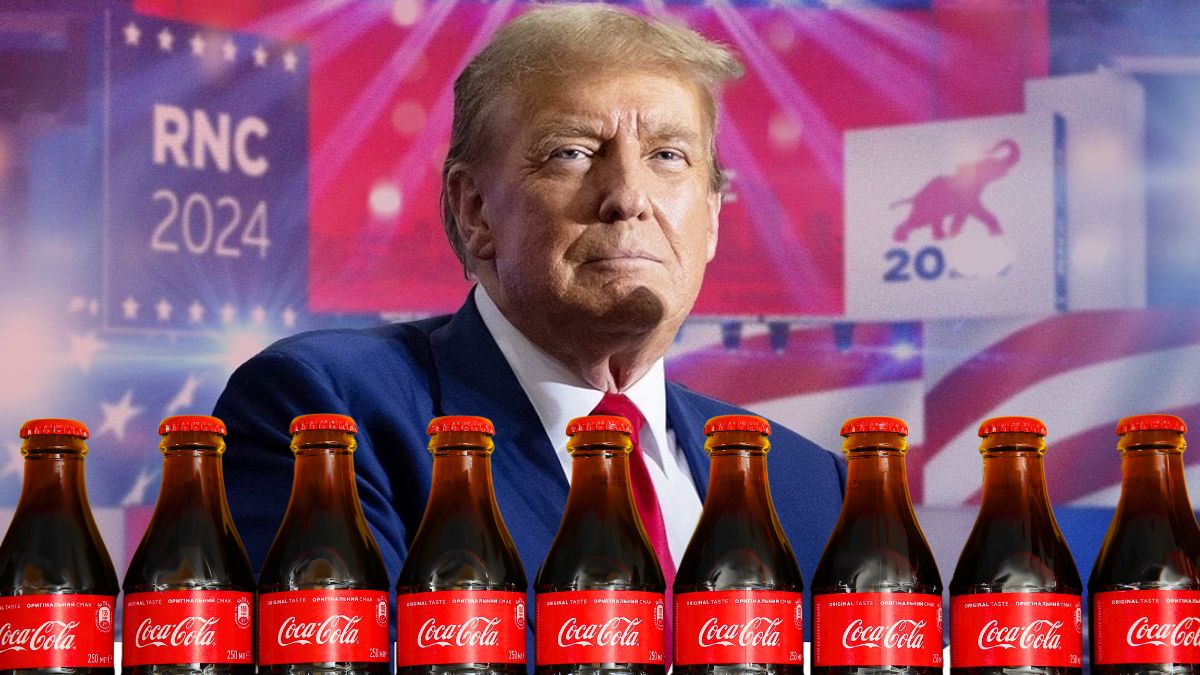
During a campaign rally in Florida in July 2025, Trump made this claim that, "We're bringing back real sugar. Coca-Cola's going to use cane sugar again instead of that corn syrup garbage. It's better for you and better for business." This sparked an immediate national conversation, as consumers, health experts, and industry analysts weighed in. While no confirmation has been made yet at Coca-Cola, the entire buzz it has already created is rocking several boats.
For a long time now, the country's Coca-Cola has been using high-fructose corn syrup (HFCS) due to the fact that it is less expensive and plenty due to the corn grown in the U.S. Cane sugar is used in markets such as Mexico; an argument is that cola tastes better coming out of and into a mouth smoother, more natural, and less syrupy. More than taste, however, these all come back to show a bigger concern health. Its high consumption of HFCS has linked it to obesity, diabetes, and many other metabolic imbalances. Cane sugar isn't necessarily good for health, but it is viewed to be a much natural and less processed alternative by health-conscious consumers.
This bold comment by Trump, however, has gone without an official word from The Coca-Cola Company. To change something of this magnitude would take quite a contingency effort in their supply chain; and it may threaten some relational ties with the influential corn industry-as in most states, Iowa and Nebraska. Economically, it would also affect price considerations and packaging, which could lead to costlier production and possibly high prices for consumers.
However, the most apparent political message in Trump's statement is clear. It's not just about soda, but about symbolism. Corn syrup is associated with industrialized food processing and cost minimization; cane sugar would indicate authenticity, high quality, and a return to simpler times. By calling for this reform, Trump appears to have drawn the hearts of people who are eager to taste and experience "the real thing," both literally and metaphorically.
Consumers may be ready for such change. Mexican Coke, made from cane sugar and bottled in glass, already has an enthusiastic fan base in America. While it carries a greater cost, it continues doing exceptionally well, thanks to its cleaner flavor and vintage packaging. Such a nationwide move to cane sugar would be sure to capture the attention of younger generations who appreciate transparency, quality ingredients, and brands with meanings they can relate to.


Comments